Welcome to
Chalk talk BLOG
Never tried CrossFit? No sweat! We're breaking down the basics, sharing inspiring stories, and proving that fitness can be fun (and a little chalky). Come see what the community is all about.
Chalk Talk
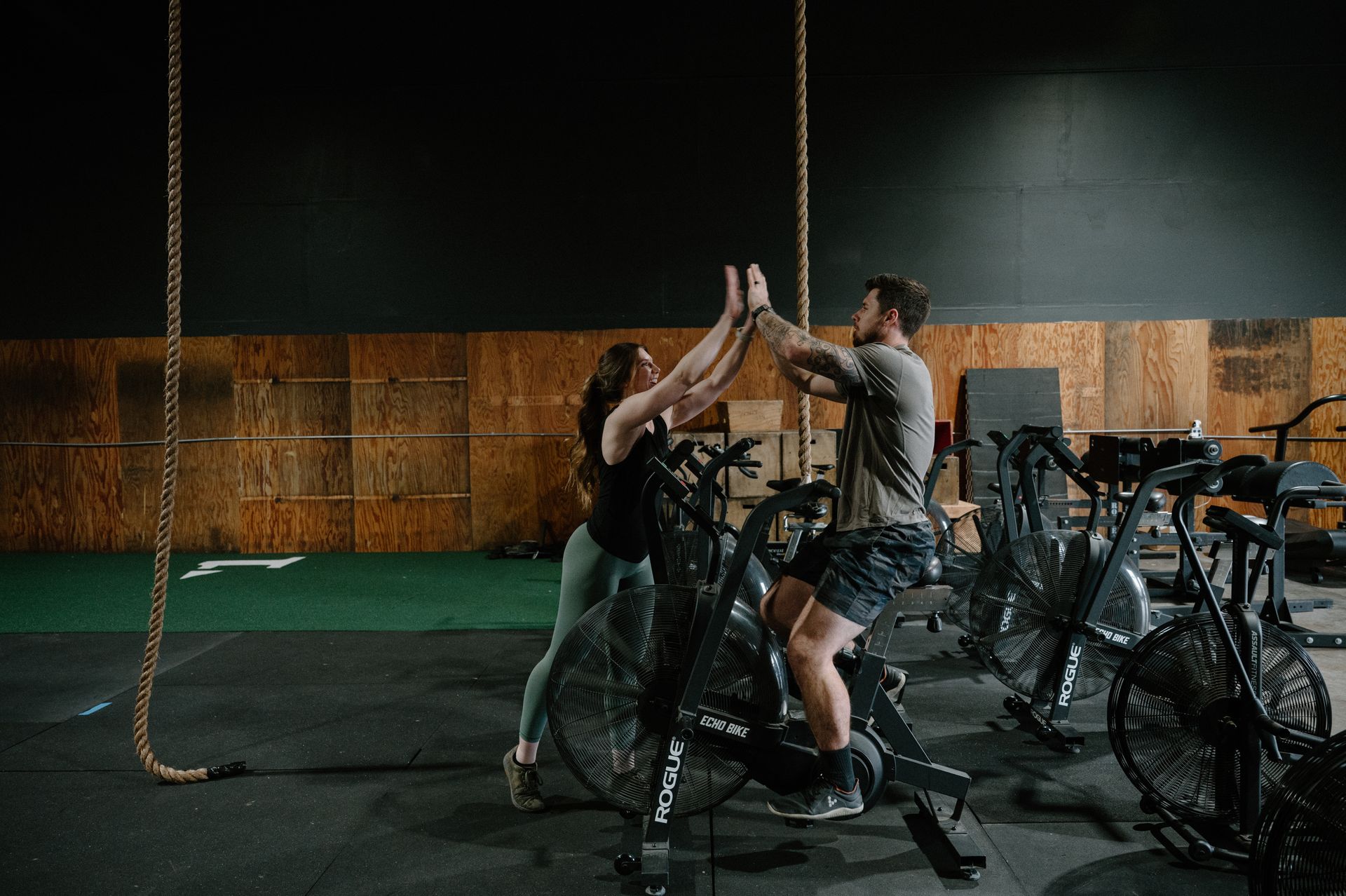
What Exactly is Intensity? Intensity, in the context of exercise, refers to how hard your body is working during physical activity. It's not just about how long you exercise, but how much effort you put into that time. Think of it as pushing yourself slightly outside your comfort zone. Why Intensity Matters, At Every Stage of Life (and Plateaus): Children and Adolescents: Intensity helps build strong bones and muscles, crucial for growth and development. It improves cardiovascular health, setting the stage for a healthy adulthood. High-intensity interval training (HIIT) can be a fun and engaging way to boost fitness in shorter bursts. It also teaches them at a young age to feel what high intensity exercise feels like, and exposes them to the lovely endorphins that inevitably follow! I would argue that children are the most important age group now more than ever, that need to be doing high intensity training. Adults (20s-50s): Intensity maximizes calorie burn, aiding in weight management. It enhances cardiovascular fitness, reducing the risk of chronic diseases. It helps build and maintain muscle mass, crucial for strength and metabolism. It helps manage stress and improve mental clarity. Again, the brain chemistry that is altered (in a positive) after a high intensity workout, can have tremendous benefits on our mental health and well being. Seniors (60+): Intensity helps preserve muscle mass and strength, combating age-related decline (sarcopenia). It improves balance and coordination, reducing the risk of falls. It boosts cardiovascular health, protecting against heart disease. It enhances cognitive function and overall quality of life. The Plateau Problem: What Happens When Intensity is Missing? Our bodies are incredibly adaptable. When we consistently perform the same workouts at the same intensity, over and over just going through the motions our bodies become efficient at those movements. While consistency is good, it can lead to a plateau. This means: Stalled Progress: You stop seeing improvements in strength, endurance, or weight loss. Decreased Motivation: Repetitive, low-intensity workouts can become boring, leading to a loss of motivation. Reduced Calorie Burn: Your body burns fewer calories because it's become more efficient at the same exercise. Muscle Adaptation: Muscles stop being challenged, thus cease to grow or strengthen. We have all fallen into this trap, where we find ourselves just showing up and checking the box of the fitness column for the day. Does this mean we need to be pushing to 110% intensity EVERY DAY? Of course not. That's not sustainable. But it does mean that at least 30% of your workouts should be creeping into that 9-10 RPE scale! Weather is sprinting, pushing the pace through a metcon, and or moving heavier weights, Getting outside that comfort zone is where the magic happens. Benefits of Incorporating Intensity: Increased Calorie Burn: Higher intensity means your body works harder, burning more calories in a shorter amount of time, preventing plateaus. Improved Cardiovascular Health: Pushing your heart rate elevates your cardiovascular fitness, strengthening your heart and lungs. Enhanced Muscle Strength and Endurance: Intensity stimulates muscle growth and improves your ability to perform activities for longer periods. Continual increases in intensity will continue to stress the muscle fibers leading to continual growth. Boosted Metabolism: High-intensity exercise can lead to an "afterburn" effect, where your body continues to burn calories even after you've finished working out, maximizing fat loss. Improved Mental Well-being: Exercise, especially when challenging, releases endorphins, which have mood-boosting effects. This makes it more likely to allow you to stick to your fitness goals. How to Incorporate Intensity Safely: Start Gradually: If you're new to exercise or returning after a break, begin with moderate intensity and gradually increase it over time. Listen to Your Body: Pay attention to your body's signals. If you experience pain or excessive fatigue, stop and rest. Vary Your Intensity: Incorporate both moderate and high-intensity workouts into your routine. This can include HIIT, interval training, or simply adding bursts of higher intensity to your regular workouts. This variability helps prevent plateaus. Find Activities You Enjoy: Intensity doesn't have to be dreadful. Choose activities you find fun and engaging, whether it's running, cycling, swimming, or dancing. Consult a Professional: If you have any underlying health conditions or concerns, consult with your doctor or a certified fitness professional before starting a new exercise program. Modify as needed: As you age, or if you have physical limitations, you can modify exercises to keep the intensity level high, without putting yourself in danger. For instance, water aerobics can be high intensity, and very low impact. The Takeaway: Don't let age or complacency hold you back. By adding intesity to your workouts, and progressively overloading your muscles, you prevent hitting plateaus and keep seeing results. By gradually increasing the challenge and listening to your body, you can reap the numerous benefits of higher-intensity exercise, leading to a healthier, stronger, and more vibrant life at any stage. mantras: "move more," "stay active," and "find something you enjoy." While these are fantastic starting points, there's a crucial element often overlooked: intensity. It's not just for elite athletes or young gym rats; intensity plays a vital role in maximizing your fitness benefits at any age. But also, it's vital to avoid hitting a dreaded plateau. And in closing, if you're looking for somewhere to help you with incorporating this into your fitness routine ....I know a place! ;)

How to stick with your Fitness Routine and Avoid the holiday slump!

DebUNking common mYths about Creatine...especially for women!
Finding the Balance of LIfestyle and Competition

Discover why CrossFit is for everyone, not just elite athletes. This blog debunks common misconceptions about CrossFit, especially for women and those new to fitness. Learn how to overcome fears, find support, and achieve your fitness goals through CrossFit.
You'll never know WHAT YOU'RE CAPABLE OF UNTIL YOU TRY.
Break away from your stagnant routine and make a positive shift towards improved health and vitality with Yuba City CrossFit!