CrossFit for Longevity vs CrossFit for Sport

Finding the Balance of LIfestyle and Competition
CrossFit: Competition vs. Lifestyle


CrossFit has undeniably captured the fitness world's attention. With its high-intensity workouts and emphasis on functional movements, it's a program that attracts a diverse range of individuals. But is CrossFit a competitive sport or a sustainable fitness lifestyle? Let's dive into the key differences.


CrossFit as a Competitive Sport

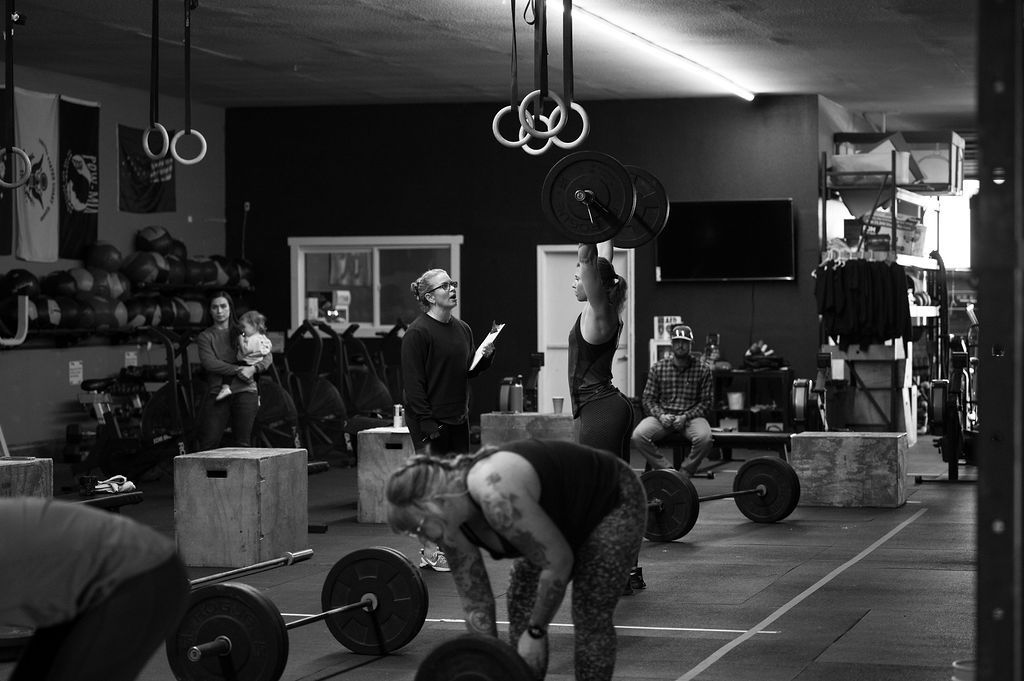
  • Intense and Specialized Training: Competitive CrossFit athletes dedicate their lives to maximizing performance. This involves hours upon hours of rigorous training schedules, specialized diets, and often, the use of performance-enhancing supplements. Just like any professional or high level athlete, this very much is a part time or even full time job. If this is your goal and this suits you, by all means I encourage you to pursue this! As a high level CrossFit competitor myself (once upon a time), I very much enjoy, and respect this side of the sport. It can be very fulfilling, very very fun and rewarding.


  • Physical and Mental Demands: It is no doubt that with any competitive sport the pressure to perform at the highest level can be immense. Athletes must possess not only exceptional physical strength and endurance but also mental fortitude to handle the demanding workouts and competition stress. Again just like any high level athlete, in any sport, you must train your mind as much as your body. Mental toughness is a must when it comes to competitive CrossFit.


  • Injury Risk: The high-intensity nature of competitive CrossFit, coupled with the constant pursuit of personal bests, can elevate the risk of injuries. This goes with out saying really. And this is also where proper recovery will come into play. ( I will dive into this on my next post.) Having a qualified coach/trainer to properly adjust training volume, intensity and effective programming will help prevent injuries.


CrossFit as a Lifestyle

  • Fitness is for Everyone: CrossFit can also be for EVERYONE and can be adapted to suit individuals of all fitness levels. The emphasis on scaling workouts ensures that everyone can participate, regardless of their experience or physical abilities. The saying goes that CrossFit is universally scaleable. Meaning a seasoned athlete and your grandma can all take the same class and achieve the same workout intended stimulus!


  • Community and Support: CrossFit boxes often foster a strong sense of community, providing motivation and support for members to achieve their fitness goals. In my opinion this is the best part of CrossFit. This is where the magic happens. Like minded people, together, training and encouraging one another to be the best version of themselves that they can be! CrossFit is second to none here!


  • Long-Term Health and Wellness: When practiced responsibly, CrossFit can be a valuable tool for improving overall health, fitness, and quality of life. The nature of the "functional movements" practiced daily in a CrossFit gym will help build strength, endurance, and flexibility, while also reducing the risk of chronic diseases. It will also make sure that as you age, you are still able to do all those "functional movements!" Sitting down, standing up, jumping, picking heavy objects off the floor, carrying heavy groceries or a child, running up the stairs....the list goes on and on! The longer that we are able to stay strong and mobile, the longer we will be able to live independently, without help and in the end isn't that what we all want?? YES!


Finding the Right Balance

It's important to recognize that while competitive CrossFit and CrossFit as a lifestyle share common elements, they are distinct paths. If your goal is to compete at the highest level, be prepared for a demanding and lots of potential sacrifices along that  journey. However, if you're looking to improve your overall fitness and enjoy the camaraderie of a supportive community, and be able to improve your quality of life long into your "golden years"...CrossFit can be an excellent choice.

Ultimately, the best approach is to find a balance that works for you. Perhaps even combining the two may be what works! Many CrossFitters find that local competitions that are just for "FUN" are a great way to balance the lifestyle of CrossFit and scratching that competitive itch!!  It provides a nice opportunity to have a goal to train for, and also test your limits!! Partner and team competitions can be even more enticing and enjoyable for many! After all, "Fitness is more fun with friends!"

No matter who you are, incorporating elements of CrossFit into your fitness routine can provide a variety and challenge, while also focusing on sustainable progress and injury prevention.

Remember: Always consult with a healthcare professional before starting any new workout program, especially if you have any underlying health conditions. And I find the right gym that works for you!   


Share

Chalk Talk
March 16, 2026
Why You Should Keep the Heat On: The Case for Summer Sauna When the sidewalk is shimmering at 35°C and the humidity feels like a weighted blanket, the last thing on most people's minds is stepping into a 90°C wooden box. It feels counterintuitive, right? Why pay to sweat when you can do it for free just by walking to your car? Actually, skipping your sauna routine in the summer means missing out on some of the best physiological benefits the heat has to offer. Here’s why your sauna habit should be a year-round commitment. 1. Better Heat Tolerance (The "Natural A/C" Effect) Sauna use helps your body practice thermoregulation. By exposing yourself to controlled, intense heat, you trigger "heat acclimation" responses. Your body becomes more efficient at: Sweating sooner: Your cooling system kicks in faster. Retaining electrolytes: Your sweat becomes more dilute, keeping minerals in your system. Expanding plasma volume: This improves cardiovascular strain, making that summer hike feel significantly easier. 2. Deep Detoxification Summer is the season of sunscreen, bug spray, and chlorine. While your liver and kidneys do the heavy lifting, your skin is your largest organ of elimination. A deep, heavy sauna sweat helps flush out the pores and clear out the grime that summer activities tend to leave behind. 3. The "Summer Blues" and Mental Clarity We talk a lot about Seasonal Affective Disorder (SAD) in the winter, but summer heat can bring its own kind of lethargy and "brain fog." Endorphin Rush: Saunas trigger a release of dynorphins and endorphins, providing a natural mood boost. Cortisol Reduction: It’s a dedicated space away from the bright, busy energy of summer social calendars—a true "forced" meditation. 4. Improved Muscle Recovery Whether you’re training for a fall marathon or just spent the weekend gardening, summer is active. The increased blood flow from a sauna session delivers oxygen to tired muscles and helps flush out metabolic waste, reducing soreness (DOMS) so you can get back outside faster. Summer Sauna Pro-Tips Why it matters... Hydrate + Electrolytes: You lose more than just water; replenish with salt, magnesium, and potassium. Evening Sessions: Saunaing at night helps lower your core body temperature afterward, leading to better sleep on hot nights. The Hidden Edge: Cognitive Benefits of the Summer Sauna While the physical perks like heat acclimation are great, the real magic happens between the ears. Using a sauna during the summer isn't just about the body; it’s a powerful "software update" for your brain. When you sit in the heat, your brain produces a protein called Brain-Derived Neurotrophic Factor (BDNF). Think of BDNF as "Miracle-Gro" for your brain—it helps repair damaged neurons and encourages the growth of new ones. How Heat Sharpens Your Mind Enhanced Focus and Attention: Heat stress increases the release of norepinephrine, a hormone and neurotransmitter that helps with focus and attention span. If the summer humidity is making you feel scattered, a 20-minute session can help "reset" your concentration. Protection Against Decline: Regular sauna use has been linked to a significantly lower risk of neurodegenerative diseases. The heat helps prevent the "clumping" of proteins in the brain that are often associated with memory loss and cognitive decline. The "Runner’s High" Without the Miles: The heat triggers the release of beta-endorphins and enkephalins. These are the body’s natural opioids, which reduce feelings of stress and create a sense of calm, clear-headed euphoria that can last for hours after you step out. Improved Myelination: Studies suggest that heat stress may help with the production of myelin, the protective sheath around your nerve fibers that allows electrical impulses to transmit quickly and efficiently. Basically, it helps your brain "wire" itself more effectively. The Bottom Line : Don’t look at the sauna as a way to "get warm." Look at it as a tool to make your body more resilient to the environment outside.
March 24, 2025
What Exactly is Intensity? Intensity, in the context of exercise, refers to how hard your body is working during physical activity. It's not just about how long you exercise, but how much effort you put into that time. Think of it as pushing yourself slightly outside your comfort zone. Why Intensity Matters, At Every Stage of Life (and Plateaus): Children and Adolescents: Intensity helps build strong bones and muscles, crucial for growth and development. It improves cardiovascular health, setting the stage for a healthy adulthood. High-intensity interval training (HIIT) can be a fun and engaging way to boost fitness in shorter bursts. It also teaches them at a young age to feel what high intensity exercise feels like, and exposes them to the lovely endorphins that inevitably follow! I would argue that children are the most important age group now more than ever, that need to be doing high intensity training. Adults (20s-50s): Intensity maximizes calorie burn, aiding in weight management. It enhances cardiovascular fitness, reducing the risk of chronic diseases. It helps build and maintain muscle mass, crucial for strength and metabolism. It helps manage stress and improve mental clarity. Again, the brain chemistry that is altered (in a positive) after a high intensity workout, can have tremendous benefits on our mental health and well being. Seniors (60+): Intensity helps preserve muscle mass and strength, combating age-related decline (sarcopenia). It improves balance and coordination, reducing the risk of falls. It boosts cardiovascular health, protecting against heart disease. It enhances cognitive function and overall quality of life. The Plateau Problem: What Happens When Intensity is Missing? Our bodies are incredibly adaptable. When we consistently perform the same workouts at the same intensity, over and over just going through the motions our bodies become efficient at those movements. While consistency is good, it can lead to a plateau. This means: Stalled Progress: You stop seeing improvements in strength, endurance, or weight loss. Decreased Motivation: Repetitive, low-intensity workouts can become boring, leading to a loss of motivation. Reduced Calorie Burn: Your body burns fewer calories because it's become more efficient at the same exercise. Muscle Adaptation: Muscles stop being challenged, thus cease to grow or strengthen. We have all fallen into this trap, where we find ourselves just showing up and checking the box of the fitness column for the day. Does this mean we need to be pushing to 110% intensity EVERY DAY? Of course not. That's not sustainable. But it does mean that at least 30% of your workouts should be creeping into that 9-10 RPE scale! Weather is sprinting, pushing the pace through a metcon, and or moving heavier weights, Getting outside that comfort zone is where the magic happens. Benefits of Incorporating Intensity: Increased Calorie Burn: Higher intensity means your body works harder, burning more calories in a shorter amount of time, preventing plateaus. Improved Cardiovascular Health: Pushing your heart rate elevates your cardiovascular fitness, strengthening your heart and lungs. Enhanced Muscle Strength and Endurance: Intensity stimulates muscle growth and improves your ability to perform activities for longer periods. Continual increases in intensity will continue to stress the muscle fibers leading to continual growth. Boosted Metabolism: High-intensity exercise can lead to an "afterburn" effect, where your body continues to burn calories even after you've finished working out, maximizing fat loss. Improved Mental Well-being: Exercise, especially when challenging, releases endorphins, which have mood-boosting effects. This makes it more likely to allow you to stick to your fitness goals. How to Incorporate Intensity Safely:  Start Gradually: If you're new to exercise or returning after a break, begin with moderate intensity and gradually increase it over time. Listen to Your Body: Pay attention to your body's signals. If you experience pain or excessive fatigue, stop and rest. Vary Your Intensity: Incorporate both moderate and high-intensity workouts into your routine. This can include HIIT, interval training, or simply adding bursts of higher intensity to your regular workouts. This variability helps prevent plateaus. Find Activities You Enjoy: Intensity doesn't have to be dreadful. Choose activities you find fun and engaging, whether it's running, cycling, swimming, or dancing. Consult a Professional: If you have any underlying health conditions or concerns, consult with your doctor or a certified fitness professional before starting a new exercise program. Modify as needed: As you age, or if you have physical limitations, you can modify exercises to keep the intensity level high, without putting yourself in danger. For instance, water aerobics can be high intensity, and very low impact. The Takeaway: Don't let age or complacency hold you back. By adding intesity to your workouts, and progressively overloading your muscles, you prevent hitting plateaus and keep seeing results. By gradually increasing the challenge and listening to your body, you can reap the numerous benefits of higher-intensity exercise, leading to a healthier, stronger, and more vibrant life at any stage. mantras: "move more," "stay active," and "find something you enjoy." While these are fantastic starting points, there's a crucial element often overlooked: intensity. It's not just for elite athletes or young gym rats; intensity plays a vital role in maximizing your fitness benefits at any age. But also, it's vital to avoid hitting a dreaded plateau. And in closing, if you're looking for somewhere to help you with incorporating this into your fitness routine ....I know a place! ;)
By Devon Moore November 20, 2024
How to stick with your Fitness Routine and Avoid the holiday slump!
More Posts